Understanding the Core Principles of Sic Bo
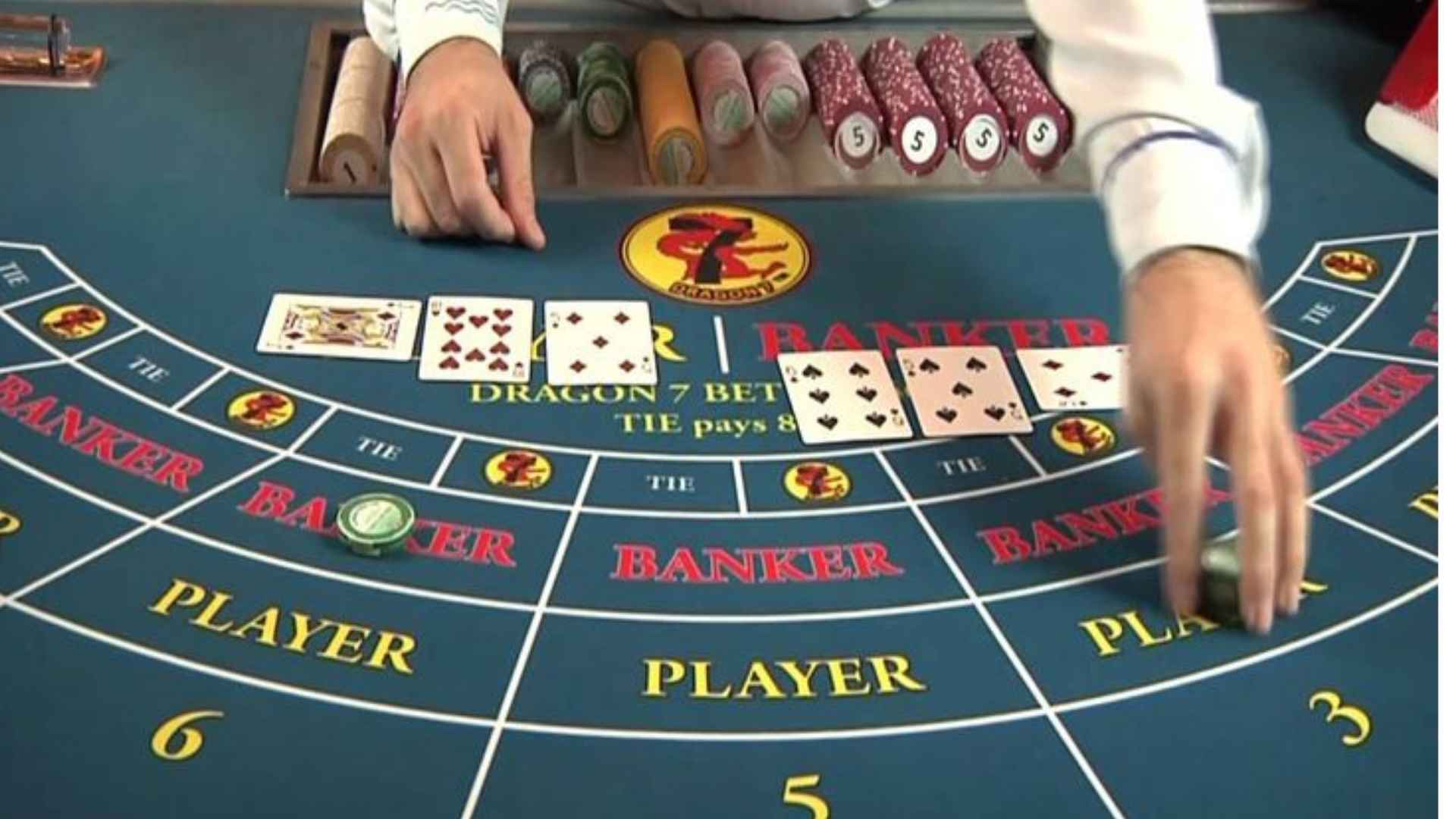
Sic Bo is a historic table game that relies on the unpredictable outcomes of three standard dice shaken inside a transparent container. Originating in ancient China, this fast-paced pastime has smoothly adapted to modern digital platforms, attracting players who appreciate clear mechanics and varied structural options. While the intricate grid printed across the table can look intimidating to newcomers, the foundational mechanics are deeply rooted in mathematical probability.
The Mathematical Reality of Three Dice
Every single round in this game revolves around the simultaneous combination of three independent numerical outcomes. Because each six-sided die functions separately, there are precisely two hundred and sixteen total permutations possible on any given shake. Understanding this mathematical structure helps participants realize that every event is completely independent of historical results.
Many analytical participants track past outcomes to spot potential trends, but mathematical principles dictate that dice possess no memory of prior rolls. Recognizing the standard distribution of probabilities allows individuals to approach the layout with realistic expectations. This balanced mindset shifts the focus away from superstitious beliefs toward systematic observation of the official table constraints.
Decoding the Core Wagering Layout
The expansive gaming grid serves as a complete visual representation of every single outcome that players can legally predict. The most common areas chosen by long-term enthusiasts are the traditional even-money options known globally as Small and Big. A Small wager wins when the total sum ranges from four to ten, whereas a Big choice covers sums between eleven and seventeen.
It is crucial to note that both of these foundational areas exclude specific triple results, which naturally preserves the historical casino advantage. Exploring reliable digital platforms like M88 toto can offer an authentic environment to view these core options in active sessions. Beginning with these highly stable portions of the board minimizes rapid variance while you accumulate practical experience.
Navigating High Payout Variations
Beyond the simple high and low total configurations, the centralized layout features numerous targeted propositions that carry distinct potential rewards. Players can choose to predict the exact numerical sum of the three tumbled components, with payouts adjusted according to rarity. For example, rolling specific totals like four or seventeen is statistically much harder than hitting a balanced ten or eleven.
The highest paying sections on the physical table belong to triple predictions, where someone wagers that all three pieces will display identical faces. While the financial returns for these specific sectors are incredibly high, they also carry a substantial house advantage that demands immense caution. Balancing your overall choice structure ensures that high-risk ventures do not prematurely exhaust your initial entertainment budget.
Building Sustainable Gaming Habits
Mastering this ancient Chinese classic ultimately relies on establishing strict bankroll boundaries before any active session begins. Dividing your total available capital into smaller, controlled units allows you to withstand natural periods of statistical volatility. This organized approach removes emotional stress from the decision-making process, ensuring a smooth and highly sustainable experience.
Utilizing risk-free digital simulation modes provides an excellent pathway to memorize the geometric layout without financial pressure. Taking time to study the detailed payout charts printed directly on the board will naturally build your confidence over successive rounds. Ultimately, patience, disciplined management, and clear mathematical awareness remain the primary pillars of success.